April, recognised as Stress Awareness Month, often highlights different ways of coping with pressure. Many of these approaches focus on action, change, or control. However, in practice, the experience of stress is often more complex.
It is not always something that can be quickly “resolved”.
Stress is a response of the nervous system. It can arise in situations of overload, prolonged tension, or emotional pressure. Over time, it may affect concentration, sleep, relationships, and overall mental wellbeing.
From a therapeutic perspective, the focus is not only on reducing external demands, but also on supporting internal regulation.
This involves gradually developing the ability to:
– recognise signs of tension
– respond to the needs of the body
– build a more supportive relationship with oneself.
One accessible step within this process is the introduction of micro-pauses. These are brief moments throughout the day that allow the nervous system to settle, even partially. This may include conscious breathing, pausing between tasks, reducing stimulation, or bringing attention back to the body. Although small, these practices can contribute to emotional balance over time.
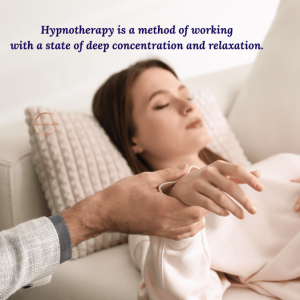
Within therapy, including hypnotherapy, this process can be explored more deeply. In a guided state of relaxation, the body and mind can access a level of regulation that may not be easily available during daily activity.
This is not about effort or control.
It is about creating the conditions in which change can occur.
Therapy can provide a structured and supportive space to:
– explore emotional difficulties
– understand underlying patterns
– work with beliefs and automatic responses
– support mental health and emotional resilience.
An important part of this work is also reconsidering the role of rest. In many cases, rest is viewed as something that must be earned. From a mental health perspective, however, it is a fundamental need. Without sufficient recovery, the nervous system may remain in a state of activation, making balance more difficult to maintain.
Letting go does not mean withdrawing or avoiding responsibility.
It may instead involve a shift in how we relate to ourselves.
From constant pressure towards greater awareness.
From urgency towards more considered responses.
If you are experiencing ongoing stress or emotional challenges, seeking therapeutic support may be a valuable step. Therapy is not an immediate solution. It is a process. However, it can become a meaningful foundation for improving wellbeing, restoring emotional balance, and developing a more sustainable way of living.
Beata 🤗